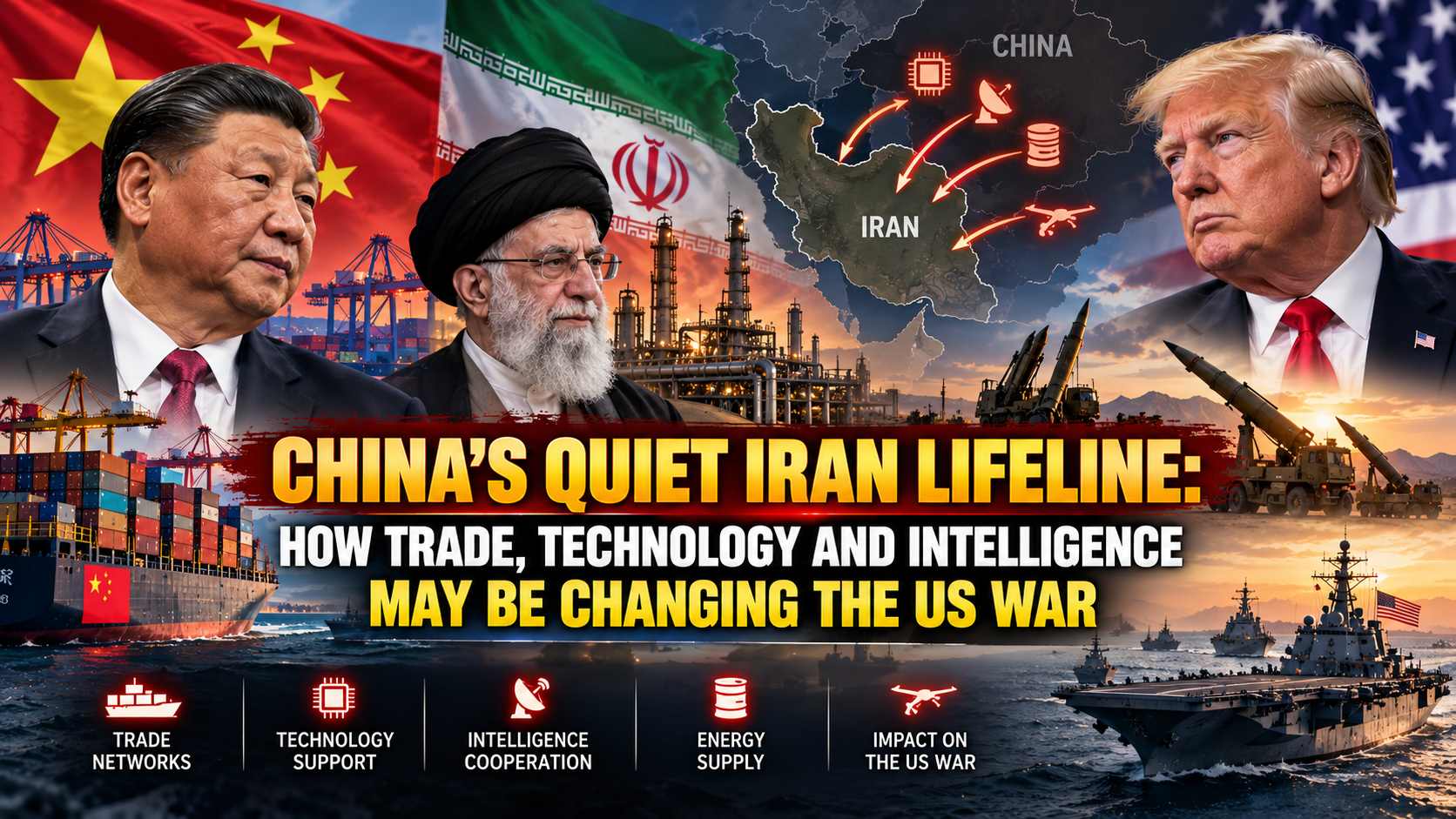
As tensions between the United States and Iran continue to dominate global headlines, one question keeps resurfacing: Why can’t Washington simply walk away from the conflict? While diplomacy remains an option, analysts argue that decades of strategic commitments, regional alliances, and energy security concerns make a quick exit far more complicated than it may appear.
A Conflict Shaped by Long-Term Commitments
The U.S. has maintained a significant military and diplomatic presence in the Middle East for decades, with security partnerships involving countries such as Israel and Gulf allies. These relationships mean that any major escalation involving Iran carries implications beyond bilateral relations.
According to strategic analysts, reducing U.S. involvement abruptly could alter the regional balance of power, affect allies’ security, and weaken Washington’s influence in one of the world’s most geopolitically important regions.
The Strait of Hormuz Keeps Raising the Stakes
One of the biggest challenges remains the Strait of Hormuz, through which a significant share of the world’s oil and liquefied natural gas exports passes.
Recent tensions surrounding commercial shipping and maritime security have demonstrated how quickly disruptions in the region can affect global energy markets. For Washington, ensuring freedom of navigation has become both an economic and strategic priority, making disengagement increasingly difficult.
Military Pressure and Diplomacy Continue Side by Side
Recent developments have shown that the United States is pursuing a dual-track approach—maintaining military readiness while simultaneously expressing willingness to negotiate.
President Donald Trump has repeatedly suggested that diplomacy remains possible, even as both Washington and Tehran continue exchanging sharp public statements. Iran, however, has disputed claims that formal negotiations are underway, illustrating the deep trust deficit that continues to shape the conflict.
Why Leaving Is More Complicated Than Staying
Security experts argue that modern conflicts are rarely confined to direct military operations. The Iran issue affects maritime trade, regional stability, counterterrorism efforts, global energy supplies, and relationships with key international partners.
As a result, any decision to reduce American involvement must also account for its potential impact on allies, international markets, and future diplomatic leverage.
Economic Consequences Extend Worldwide
Beyond military considerations, prolonged instability has continued to influence financial markets and energy prices.
Shipping companies, insurers, and global businesses remain sensitive to developments in the Gulf region, where even isolated incidents can increase transportation costs and create uncertainty for international trade. These economic factors add another layer of complexity to Washington’s strategic calculations.
A Test of Strategic Endurance
Rather than pursuing a decisive military victory, both the United States and Iran increasingly appear focused on strengthening their negotiating positions while avoiding a broader regional war.
Analysts suggest that each side believes time may improve its leverage, creating a prolonged strategic contest in which political pressure, economic influence, and diplomatic signaling become as important as military operations.
Looking Ahead
The debate is no longer simply about whether the United States should remain involved in the Iran conflict—it is about how it can reduce tensions without creating new security risks. With regional alliances, global energy markets, and diplomatic credibility all intertwined, any lasting solution is likely to require a combination of negotiation, deterrence, and international cooperation rather than a rapid military withdrawal.