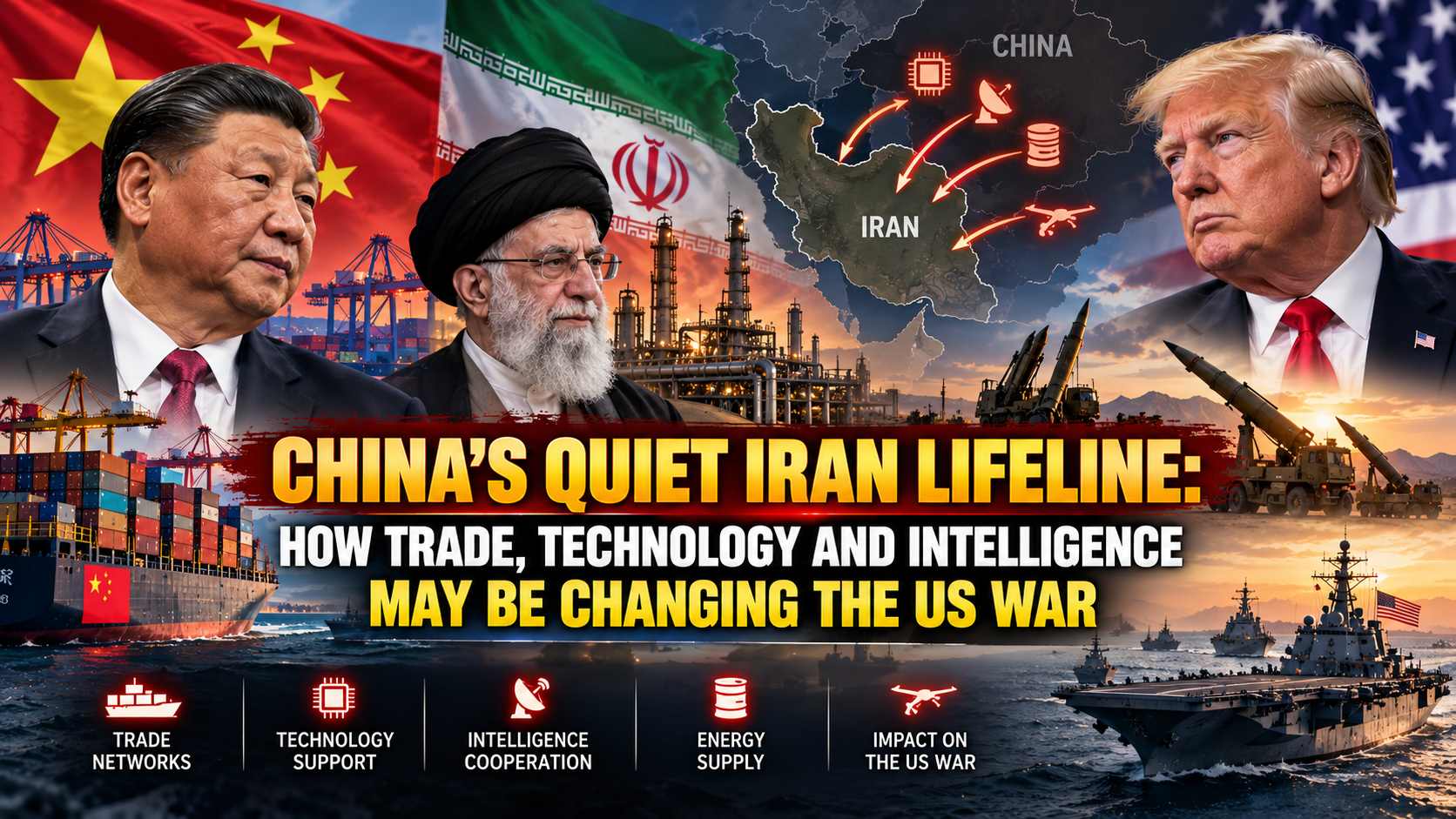
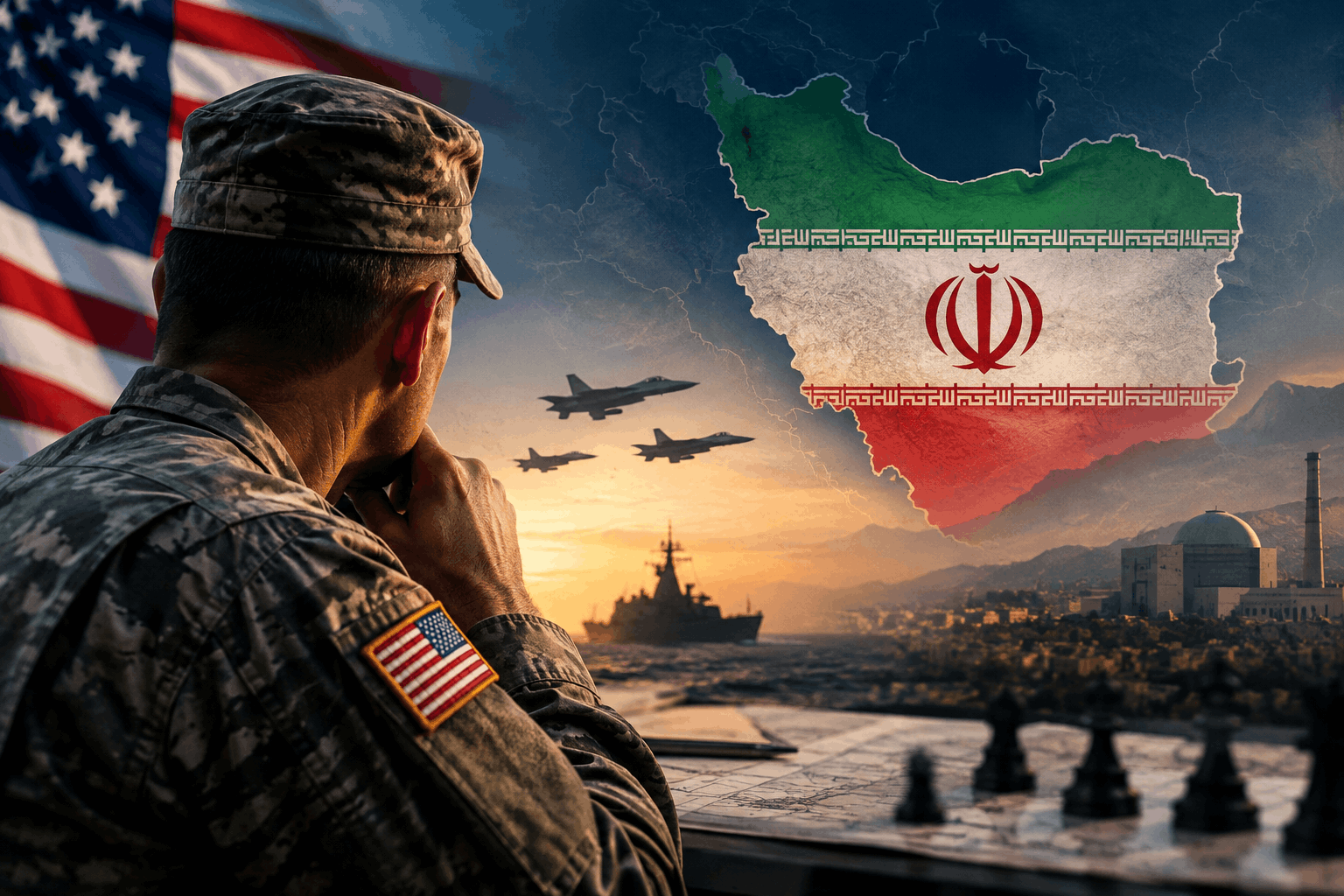
The United States is reassessing its approach toward Iran after months of military operations and diplomatic efforts produced limited results. In an unusual move, the U.S. Central Command (CENTCOM) has reportedly invited military personnel and intelligence analysts to propose “creative and unconventional” ideas for increasing pressure on Tehran, signaling that Washington is exploring alternatives beyond its existing strategy.
A Shift From Standard Military Planning
According to reports, CENTCOM circulated an internal request encouraging personnel from across the organization to contribute innovative ideas that could influence Iran’s strategic decisions. Rather than relying solely on conventional military planning, the initiative reflects a broader effort to identify new diplomatic, economic, intelligence, or operational options.
Officials familiar with the matter say the request suggests that existing measures have not achieved the desired objective of bringing Iran to negotiations on U.S. terms.
Why Washington Is Reconsidering Its Approach
The latest move follows weeks of heightened military activity in the Middle East, where the United States has conducted strikes aimed at weakening Iran’s military capabilities and protecting regional security interests. Despite these operations, tensions have remained high, and a comprehensive diplomatic breakthrough has yet to emerge.
The reported brainstorming effort indicates that policymakers are evaluating whether new forms of pressure could prove more effective than continued military escalation alone.
Global Implications
Any significant shift in U.S. strategy could influence security across the Middle East, international shipping routes, and global energy markets. Regional allies, investors, and diplomatic partners are closely monitoring developments, as further escalation could have consequences extending well beyond the immediate conflict.
Social media is also an increasingly important part of how geopolitical developments are communicated and perceived. Governments, organizations, journalists, and the wider public use digital platforms to share updates, shape narratives, and respond to rapidly changing events. Tools and services such as an SMM PANEL can form part of the broader social-media ecosystem used to manage and support online engagement, although their role is separate from official military or diplomatic decision-making.
Experts believe that whether Washington ultimately chooses stronger pressure, renewed diplomacy, or a combination of both, the decisions made in the coming weeks could shape the next phase of U.S.–Iran relations
Innovation Over Escalation?
Military analysts note that requesting ideas from personnel across different ranks is uncommon but not unprecedented. Large military organizations occasionally seek broad internal input when facing complex strategic challenges that lack straightforward solutions.
Officials stressed that encouraging innovative thinking does not necessarily signal immediate military action. Instead, it reflects an effort to examine a wider range of options before determining the next phase of U.S. policy toward Iran.
Diplomatic Window Still Remains
The reported strategy review comes as Washington continues to send mixed signals—maintaining military pressure while also leaving the door open for diplomacy. Recent public statements from President Donald Trump have suggested that negotiations remain possible if Iran is willing to engage, even as both sides continue to exchange strong rhetoric.
Looking Ahead
The internal call for new ideas highlights a broader reality: resolving one of the world’s most complex geopolitical disputes may require more than conventional military tools. As policymakers weigh fresh proposals, the focus now shifts to whether innovative strategies can reduce tensions—or whether the region is heading toward another period of heightened confrontation.